What Is a Brand? Why Branding Is More Than Just a Logo
In a world of quick fixes and instant design generators, it’s tempting to think branding starts and ends with a logo. While a logo can help create recognition, a brand is much broader than a single visual element.
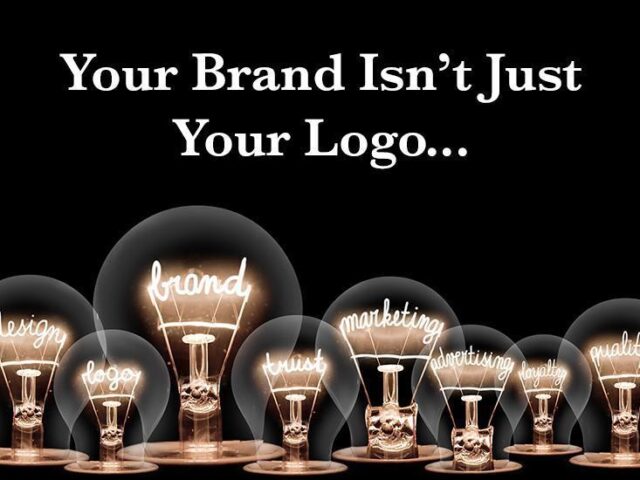
A business brand includes the visuals, messaging, tone of voice, values and customer experience that shape how people perceive a company. Look at a recent example of brand messaging for an IT solutions company.
A Brand Is More Than a Logo
A brand is more than a logo because it represents the full identity and personality of a business, not just its appearance.
A logo is only one part of a much bigger picture. Without the supporting elements that give it meaning, consistency and personality, even the best-designed logo can feel disconnected or forgettable.
If you think of a company as a person, the brand is the whole package. The logo is simply the face. What builds trust and connection is everything behind it, including the character, behaviour, communication style and overall experience.
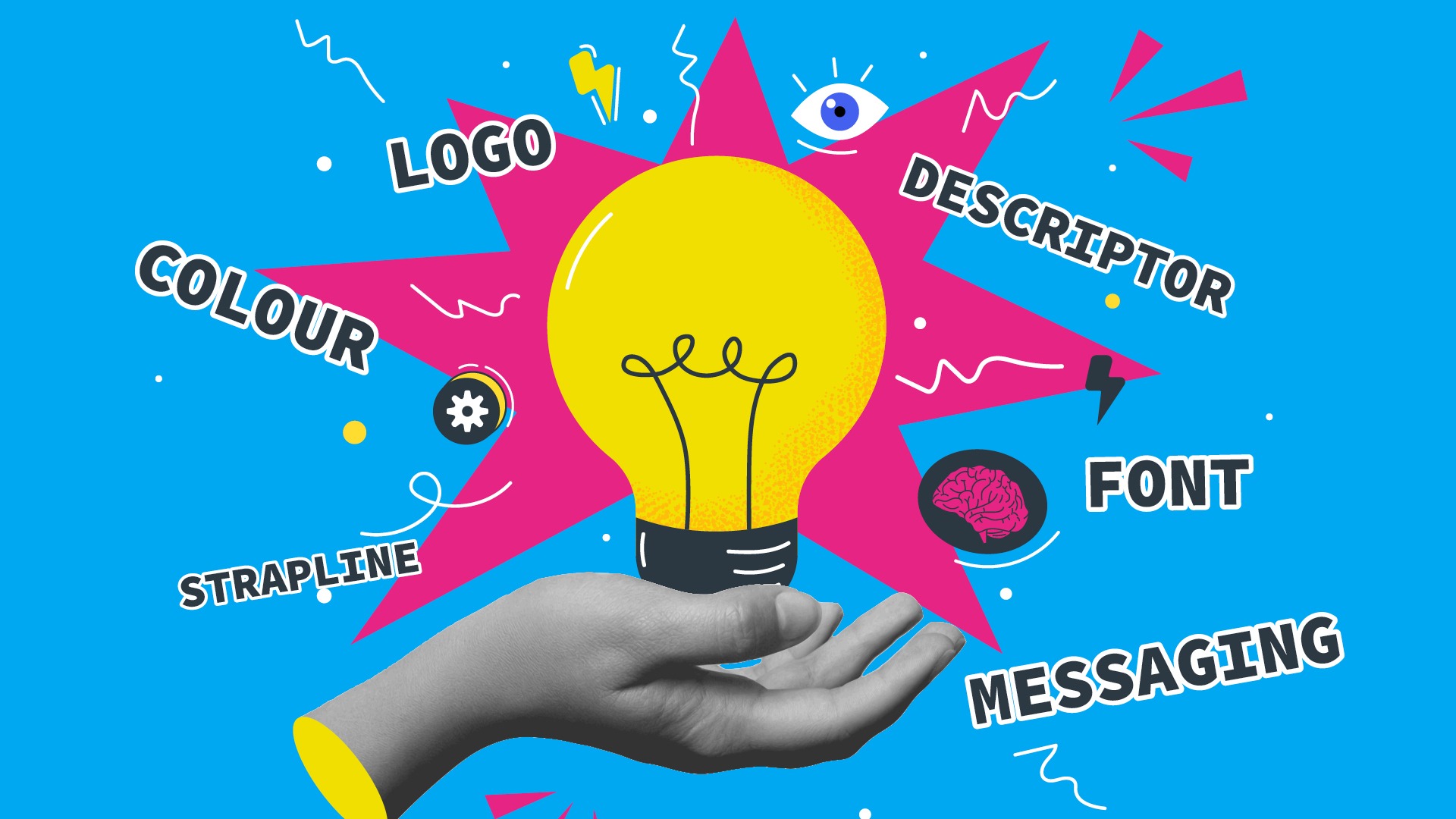
The same applies to businesses. A strong brand is reflected through everything people see, hear and experience. That includes visuals, messaging, tone of voice, straplines, descriptors and even the way employees communicate with customers and stakeholders.
Why a Logo Alone Is Not Enough
A logo alone is not enough because it cannot fully communicate what a business stands for. Many businesses focus heavily on creating a logo while overlooking the wider brand strategy behind it. A logo may create initial recognition, but branding is what creates familiarity, consistency and long-term perception.
Overcomplicated logos can also create practical problems. Logos are often viewed at small sizes across websites, social media and mobile devices, meaning intricate details can quickly become difficult to read.
Simple, distinctive logos tend to perform more effectively because they are easier to recognise and remember across different platforms and formats.
What Is the Difference Between a Logo, Strapline and Descriptor?
A logo, strapline and descriptor each play different roles within a brand identity.
What Is a Brand Descriptor?
A brand descriptor is a short statement that explains what a business does in a clear and direct way.
Descriptors are often positioned alongside a logo to provide immediate context and clarity.
What Is a Strapline?
A strapline communicates the value, personality or promise behind a business.
While a descriptor explains what a company does, a strapline helps explain why it matters or what experience customers can expect.
Used together, descriptors and straplines help strengthen brand understanding by combining clarity with personality.
Why Messaging and Tone of Voice Matter in Branding
Messaging and tone of voice shape how people perceive a business and help create consistency across every interaction.
This is one of the most overlooked parts of branding, yet it often determines whether a company feels clear and trustworthy or inconsistent and disconnected.
Strong brand messaging helps:
- shape perception
- reinforce brand values
- support visual identity
- create familiarity
- build trust over time
When visual identity and messaging are developed together, businesses create a more cohesive brand that feels aligned across every touchpoint.
How Colour and Typography Influence Brand Perception
Colour and typography influence how a brand feels emotionally and how easily people recognise it. Consistent use of colours and typefaces helps businesses create recognisable visual signatures, even without a logo present.
Colour can influence whether a brand feels:
- modern
- energetic
- professional
- premium
- minimal
- approachable
Typography works in a similar way by shaping the personality and tone of communications.
How Employees Impact Brand Identity
Employees influence brand identity because customer perception is shaped through interactions as much as visuals.
A brand is not only what a business designs. It is also how people within the organisation communicate, respond and behave. Every interaction contributes to how customers, clients and stakeholders experience the company.
When teams understand and align with brand values, those values become visible in day-to-day communication and customer experience.
Why Consistent Branding Matters
Consistent branding helps businesses become more recognisable, trustworthy and memorable.
Strong brands are built through alignment across visual identity, messaging, behaviour and customer experience.
When these elements work together consistently, businesses create a clearer market position and stronger long-term recognition.
A logo may be the starting point, but branding is everything that surrounds it and brings it to life.
Is Your Brand Doing Enough for Your Business?
If your brand feels inconsistent, unclear or disconnected from how your business operates, it may be time to review how your messaging, visuals and customer experience align.
At Definition Consulting, branding is approached as more than a visual exercise. The focus is on aligning strategy, messaging and delivery to create brands that not only look right but also support stronger commercial outcomes.